
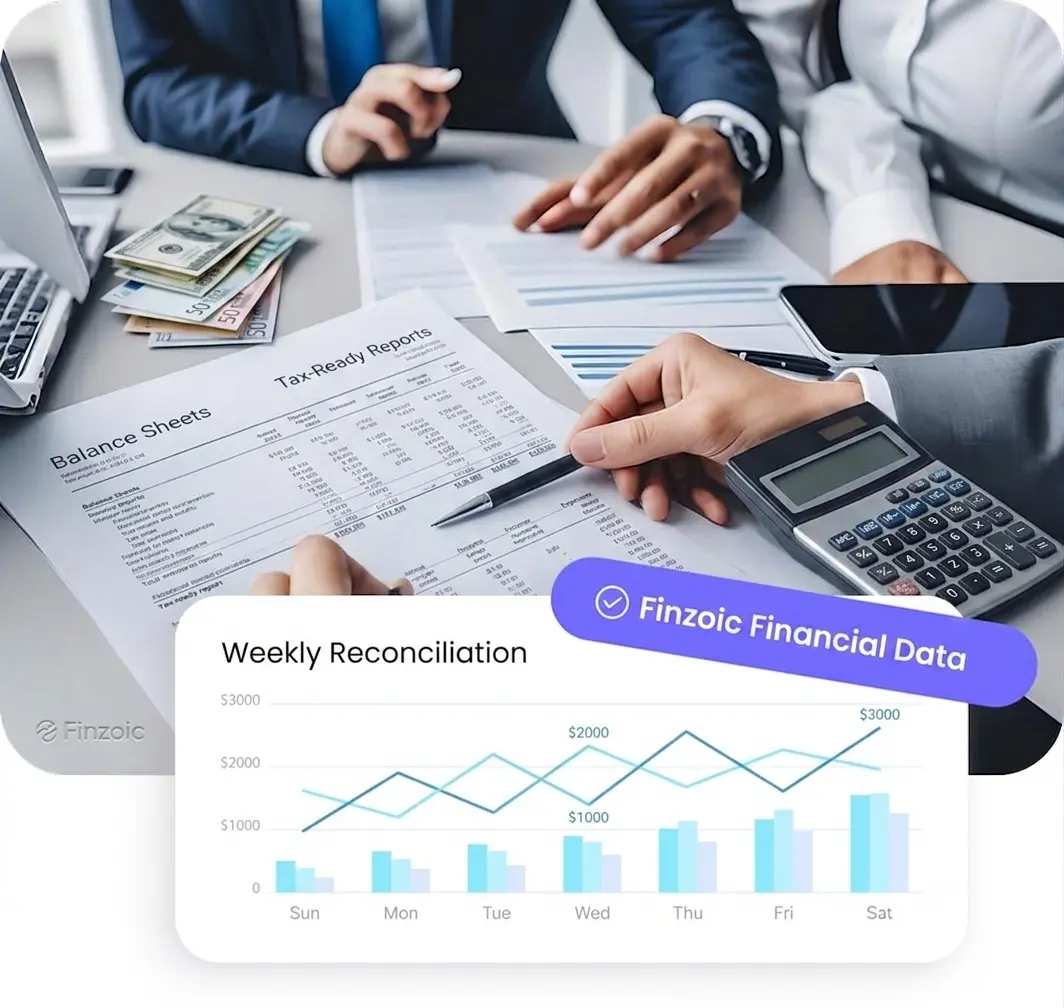
Why Real-Time Financial Clarity is the Lifeline of Your Business Operating a business without clear, real-time financial data is like driving a car at night without headlights. Yet, many founders manage their companies by looking at their cash flow only once a month—or worse, only when tax season arrives. This approach hides leaking expenses and makes it nearly impossible to make proactive choices. 1. Stop Managing by Bank Balance Your bank account balance doesn’t show your upcoming liabilities, unpaid client invoices, or true net profit margins. Real financial clarity means knowing your numbers today, allowing you to catch cash crunches before they happen. 2. Spot Leakages Instantly When your Profit & Loss statements are updated consistently, you can instantly see which operational expenses are draining your budget. Whether it’s a forgotten software subscription or rising vendor costs, regular visibility helps you cut fat early. 3. Make Data-Driven Strategic Decisions Should you hire a new team member next month? Can you afford a major marketing push right now? When your ledgers are clean and clear, you don’t have to guess. You can look at your historical trends and make confident, data-backed expansion plans.
Tax-Ready Books
How to Keep Your Books Audit-Proof and Tax-Ready All Year Round For countless business owners, April is a month of absolute panic, sleepless nights, and frantic searches through old emails for missing receipts. This last-minute rush doesn’t just cause immense stress—it also causes you to miss out on legal tax write-offs and exposes your company to costly IRS audit risks. 1. The Myth of the Year-End Cleanup Waiting until the end of the fiscal year to organize twelve months of messy transactions is a recipe for disaster. True compliance is built week by week. When every single penny is legally categorized immediately, tax readiness becomes a permanent state rather than an annual chore. 2. Maximize Your Deductions Every time you pay for a business expense using your personal account or fail to match a receipt, you lose money. Proper, ongoing bookkeeping captures every single eligible business deduction, saving you thousands of dollars that would otherwise go to waste. 3. Give Your CPA Clean Data Your CPA’s job is to optimize your tax strategy and file your returns, not to fix your un-reconciled bank feeds. When you hand over clean, balanced, and fully organized financial files, your tax professional can focus entirely on saving you money on your tax bill.

Business Scaling
Outsource Your Bookkeeping to Accelerate Your Business Scaling As a founder, your primary focus should be on product development, client acquisition, and driving revenue. However, many entrepreneurs find themselves trapped in the back-office, spending hours manually cross-checking bank sheets and tracking down payment records. This is a massive bottleneck for growth. 1. Reclaim Your Highest-Value Hours Your time is your company’s most expensive asset. Spending five hours a week on basic data entry means losing five hours that could have been spent closing new sales or refining your marketing strategy. Outsourcing gives you those hours back. 2. Avoid the Overhead of In-House Staff Hiring a full-time, in-house accountant comes with heavy costs: salaries, benefits, workspace, and software licenses. A dedicated virtual bookkeeping service gives you elite, enterprise-level expertise at a fraction of the cost of a traditional employee. 3. Build a Foundation for Inbound Investment If you ever plan to apply for a business loan, secure lines of credit, or pitch to angel investors, the very first thing they will ask for is your financial history. Clean, professionally managed books prove to lenders that your company is a safe, stable investment.

Expert Solutions
The Power of Expert Financial Solutions Over DIY Accounting Modern cloud tools have made it easier than ever to log into financial software, but software alone cannot fix human entry mistakes. Attempting DIY accounting often creates a false sense of security, hiding critical errors under the hood that distort your real profitability. 1. Software is Only as Good as the Input If a business transaction is categorized into the wrong legal chart of accounts, your automated reporting will be entirely inaccurate. Certified QuickBooks ProAdvisors bring the technical expertise needed to ensure your software is configured perfectly from day one. 2. Consistent Balance Sheets and Reconciliations True bookkeeping requires balancing your asset, liability, and equity accounts down to the exact penny against your real bank statements. Expert solutions introduce strict quality controls that flag double-billings, bank glitches, and missing entries instantly. 3. Ongoing Back-Office Support When you run into a complex billing issue or a weird vendor dispute, you need a financial expert you can call immediately. Partnering with a dedicated service means you always have professional oversight looking out for your company’s best interests.

Strategic Growth
Turning Everyday Numbers into Data-Driven Strategic Growth Many people view bookkeeping as a historical record—a tool used simply to see what happened in the past for compliance reasons. But when handled strategically, your financial data is actually an incredible roadmap for your company’s future growth. 1. Understand Your Real Profit Margins Gross revenue can often be a vanity metric. You could be generating millions in sales, but if your operational margins are thin, your business remains at risk. Strategic bookkeeping breaks down your exact margins per product, service, or client type. 2. Project Future Cash Flow Patterns By studying your historical income trends, financial experts can map out reliable cash flow forecasts. This helps you predict seasonal dips, plan for upcoming inventory purchases, and scale your business without running out of working capital. 3. Safe, Controlled Capital Reinvestment When you have absolute trust in your financial reporting, you can easily identify exactly how much surplus cash you can safely reinvest back into your team, equipment, or acquisition channels to scale sustainably without taking on toxic debt.

Bank-Level Security
Why Bank-Level Security is Essential for Remote Accounting Data Your company’s financial data, bank account numbers, and client invoice histories are highly sensitive assets. In today’s digital-first environment, protecting this data from breaches and leaks is just as important as keeping your numbers accurate. 1. The Danger of Messy File Sharing Sending sensitive financial statements or tax documents through unencrypted email attachments leaves your business vulnerable to cyber threats. Professional virtual firms utilize specialized cloud portals to keep your information secure. 2. End-to-End Encryption Protocols Elite remote bookkeeping systems rely on multi-factor authentication (MFA) and enterprise-grade, bank-level encryption. This guarantees that your proprietary ledgers and confidential tax histories remain completely secure from unauthorized access. 3. Peace of Mind for Your Clients and Partners When your clients, vendors, and investors know that you handle financial compliance through highly secure, industry-leading platforms, it builds immense trust in your brand’s professionalism and long-term security standards.